Now Reading: Control of Access: Top 5 Misconceptions
-
01
Control of Access: Top 5 Misconceptions



Access control systems are essential tools for managing control of access and security in various settings, from corporate offices to residential buildings. Despite their importance, several misconceptions persist that can lead to misunderstandings about their functionality and effectiveness. In this article, we’ll explore five common misconceptions about access control systems and provide clarity on each.
Misconception 1: Not User Intuitive
One of the most prevalent myths about access control systems is that they are not user-friendly. Many people believe that the technology is overly complex and requires extensive training to operate. In reality, modern access control systems are designed with the end user in mind. User interfaces have evolved significantly, incorporating intuitive designs that make navigation simple and straightforward. Training is minimal, often requiring just a quick orientation to get users up and running efficiently.
Misconception 2: Access Control Systems Are Resource Intensive
Another common misconception is that access control systems are resource-intensive, requiring significant IT support and infrastructure. While earlier systems may have necessitated considerable resources, advancements in technology have led to more streamlined solutions. Cloud-based systems, for example, reduce the need for on-site hardware and extensive IT maintenance. These modern systems can operate on minimal resources, allowing organizations to allocate their IT efforts elsewhere while still maintaining robust security.
Misconception 3: Requires On-Site Management
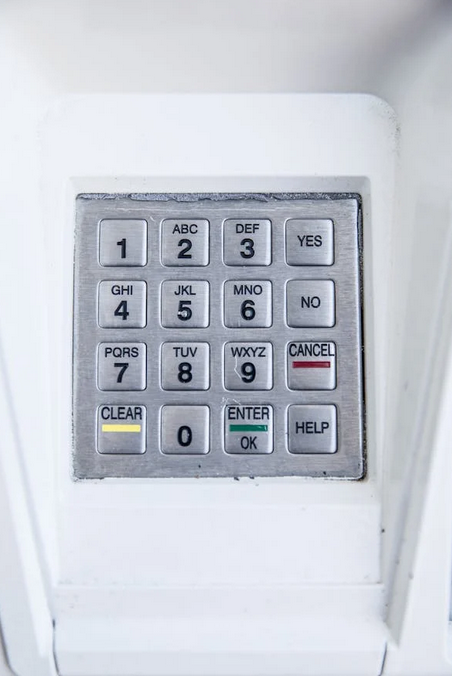 Many people assume that access control systems must be managed on-site, which can create a barrier for businesses with limited physical presence or remote locations. However, many contemporary access control solutions offer remote management capabilities. With cloud technology, administrators can monitor and manage access controls from anywhere, anytime, using any device. This flexibility not only enhances convenience but also allows for quicker responses to security incidents.
Misconception 4: High Upfront Costs
The belief that access control systems entail high upfront costs can deter organizations from investing in them. While it’s true that some systems can be expensive, there are numerous scalable solutions available to fit various budgets. Many providers offer flexible payment plans, leasing options, and modular systems that allow organizations to start small and expand their systems as their needs grow. The long-term benefits—such as improved security and reduced theft or loss—often far outweigh initial expenditures.
Misconception 5: On-Premises Systems Are Safer Than Cloud Solutions
Finally, a significant misconception is that on-premises systems are inherently safer than cloud-based solutions. This belief often stems from a general wariness of cloud technology. However, many cloud providers invest heavily in security measures, often surpassing what individual organizations can implement on their own. Cloud solutions typically offer robust data encryption, frequent updates, and advanced threat detection systems. Moreover, they provide regular backups, which can enhance data integrity and security.
Control of Access
Understanding the realities of access control systems is crucial for organizations looking to enhance their security measures. By dispelling these common misconceptions, businesses can make informed decisions about implementing access control solutions that suit their needs. As technology continues to evolve, so too will the accessibility, efficiency, and effectiveness of access control systems, making them an indispensable part of modern security strategies. Join FDC in making your home or business as safe and efficient as possible.
Stay connected with FDC, Florida’s gate company and access leader, for the latest insights, tips, and innovations in control of access, types of gates, gate security and access control! Follow us on Facebook, LinkedIn, and Twitter to explore more about how our solutions can help secure and enhance your property. Don’t miss out on our updates—join the conversation and stay ahead in protecting what matters most!


 Follow