Now Reading: Trends in Physical Security: Top Ten for 2025
-
01
Trends in Physical Security: Top Ten for 2025


As technology advances and security threats evolve, the physical security landscape continues to adapt at a rapid pace. In 2025, organizations are focusing on innovative strategies to protect people, assets, and infrastructure. Let’s explore the top trends in physical security for 2025.
1. AI-Powered Surveillance

Trends in physical security
Artificial intelligence (AI) is revolutionizing the surveillance industry by enabling systems to detect, analyze, and respond to threats in real-time. AI-powered cameras can now:
• Recognize suspicious behavior using behavioral analytics.
• Identify specific individuals using facial recognition.
• Reduce false alarms through advanced object detection algorithms.
This technology not only enhances accuracy but also reduces the workload on human operators, allowing them to focus on critical tasks.
2. Integration of IoT Devices
The Internet of Things (IoT) is playing an increasingly pivotal role in trends in physical security. Connected sensors, access control systems, and cameras provide a unified view of an organization’s security environment. Key benefits include:
• Real-time monitoring and alerts.
• Enhanced operational efficiency through data-driven insights.
• Seamless integration with building management systems for holistic control.
IoT-powered security solutions are helping organizations to stay proactive and responsive.
3. Biometric Access Control
Biometric technology has become a cornerstone of modern access control systems and trends in physical security. Fingerprint scanners, iris recognition, and voice authentication are now commonplace, offering:
• Enhanced security by eliminating risks associated with lost or stolen access cards.
• Faster and more convenient access for authorized personnel.
• Improved audit trails for tracking access attempts.
As biometric systems become more affordable, their adoption is expected to grow significantly.
4. Cyber-Physical Security Convergence
As physical and digital systems become more intertwined, the need for a unified approach to security has grown. Cyber-physical security convergence ensures that:
• Networked devices are protected from cyber threats.
• Data from physical security systems is encrypted and securely stored.
• Collaboration between IT and physical security teams is strengthened.
This trend underscores the importance of treating physical and cybersecurity as a single cohesive strategy.
5. Cloud-Based Security Solutions
Cloud technology is transforming the way organizations manage their security infrastructure. Cloud-based platforms offer:
• Scalability to accommodate organizational growth.
• Remote access for managing security systems from anywhere.
• Cost savings by reducing the need for on-premise hardware.
As concerns about data security are addressed, more businesses are migrating their security operations to the cloud.
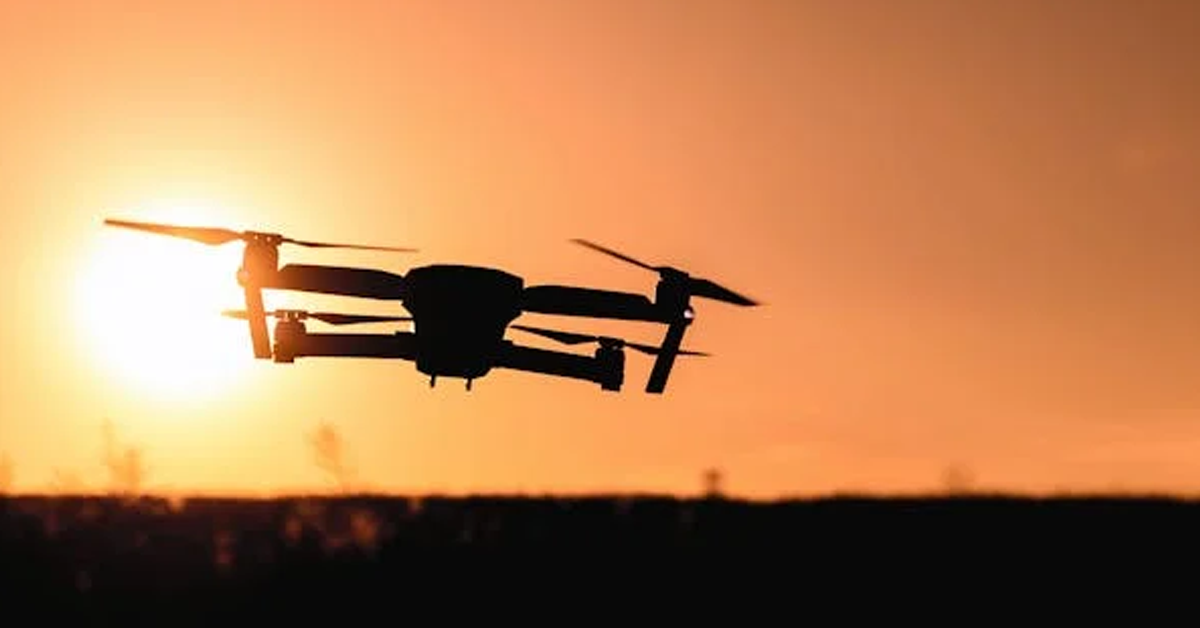
6. Drones and Robotics
Drones and autonomous robots are no longer futuristic concepts; they are now practical tools for enhancing physical security. They are used for:
• Perimeter surveillance in large or hard-to-reach areas.
• Rapid response to security breaches.
• Automated inspections to identify potential vulnerabilities.
With advancements in AI and machine learning, drones and robots are becoming smarter and more versatile.
7. Environmental and Social Governance (ESG) Compliance
Sustainability and ethical considerations are now integral to physical security planning. Organizations are adopting measures such as:
• Energy-efficient security equipment.
• Policies that respect privacy while ensuring safety.
• Systems designed to minimize environmental impact.
These trends in physical security reflect a broader commitment to responsible business practices.
8. Advanced Threat Detection
From thermal imaging to gunshot detection systems, advanced threat detection technologies are becoming more sophisticated. These systems can:
• Identify potential threats before they escalate.
• Provide actionable intelligence to security teams.
• Enhance emergency response times.
Such trends in physical security are critical in high-risk environments like schools, airports, and large event venues.
9. Workforce Training and Development
Even the best security systems require skilled personnel to operate them effectively. Organizations are investing in:
• Continuous training to keep staff updated on the latest technologies.
• Scenario-based simulations to prepare for real-world incidents.
• Cross-functional collaboration between security and other departments.
A well-trained workforce is the backbone of any successful security strategy.
10. Personalized Security Solutions
One-size-fits-all approaches are being replaced by tailored security solutions. Businesses are leveraging data analytics and risk assessments to create customized strategies that address their unique challenges. Personalization ensures that resources are allocated efficiently and that security measures are both effective and scalable.
Top Trends in Physical Security: Final Thoughts
Physical security in 2025 is a blend of cutting-edge technology and strategic planning. By staying ahead of these trends in physical security, organizations can not only protect their assets but also foster a sense of safety and trust among employees and stakeholders. As threats evolve, so too must our strategies to mitigate them—ensuring a secure future for all.
Stay connected with FDC, Florida’s gate company and access control leader, with offices in Tampa, Jacksonville, Orlando, Miami and Melbourne! Follow us on Facebook, LinkedIn, and Twitter to explore more about how our solutions can help secure and enhance your property. Don’t miss out on our trends in physical security updates—join the conversation and stay ahead in protecting what matters most!


 Follow