Now Reading: Irish Ghosts and Hauntings
-
01
Irish Ghosts and Hauntings


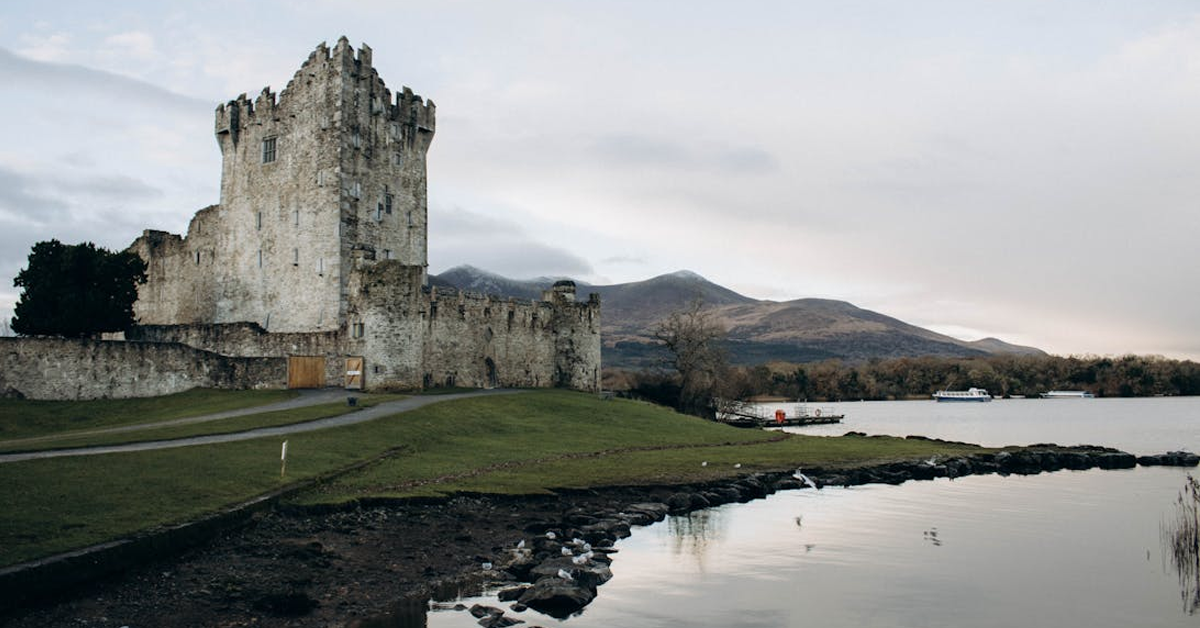
Ireland is a land of rolling green hills, ancient ruins, and a vibrant folklore that dates back thousands of years. Among the most captivating aspects of Irish folklore are its cryptids and ghostly tales. These stories of Irish ghosts and hauntings, passed down through generations, reveal a rich tapestry of mythology and cultural beliefs. Here, we delve into some of the most famous cryptids and ghostly beings that have haunted Ireland’s imagination.
The Banshee: Wailing Harbinger of Death
Irish ghosts and hauntings
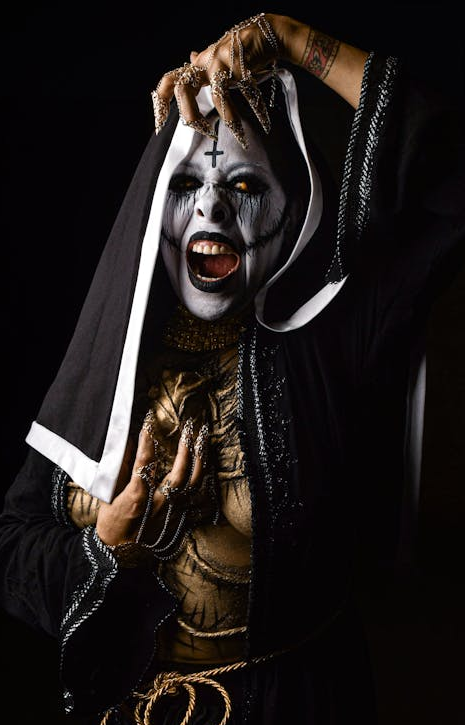
The Banshee, or “bean sí” in Irish, is one of the most iconic figures in irish ghosts and hauntings. Known as the harbinger of death, her mournful wails signal the impending demise of a family member. Descriptions of the Banshee vary greatly: some accounts depict her as a woman with long, streaming hair combed with a silver comb, red eyes from constant weeping, and a grey cloak over a green dress. Others describe her as a short figure, anywhere from one to four feet tall, emphasizing her otherworldly nature.
The Banshee’s lament is said to transcend distance, with her keening often being the first indication of a loved one’s death, even if they are far from home. Sometimes she appears as a shrouded woman crouched beneath trees, her face veiled as she mourns, while other stories recount her flying through the night sky, her cries piercing the silence. In some traditions, her appearance accompanies the arrival of a “death coach” that ferries souls to the afterlife.
Notably, multiple Banshees appearing together is said to foretell the death of someone of great importance. Similar creatures exist in Scottish and Welsh folklore, such as the “bean nighe” and the “cyhyraeth,” who likewise warn of death with their eerie cries.
The Púcá: Mischievous Shapeshifter
The púcá is a versatile and enigmatic figure in irish ghosts and hauntings. Known as a shapeshifter, the púcá can appear as a horse, goat, cat, dog, or hare. In human form, it often retains animalistic traits, such as ears or a tail. With fur that is typically dark, the púcá’s golden eyes often give away its supernatural nature.
These beings are known for their mischief. They are said to entice unwary travelers to ride on their backs, only to subject them to a terrifying and tumultuous journey before depositing them back where they started. However, púcás are not always malevolent. In some tales, they act as protectors, warning humans of danger or even helping with farm work. For instance, one story tells of a púcá who secretly milled a farmer’s grain at night, ensuring the family’s prosperity.
To counter a púcá’s mischief, folklore advises carrying sharp spurs or confronting it with bravery. The púcá’s dual nature—capable of both harm and help—makes it a fascinating figure in Irish ghosts and hauntings.
The Dearg Due: Ireland’s Vampire
The Dearg Due, meaning “red bloodsucker,” is Ireland’s answer to the vampire. Unlike the elegant vampires of later literature, the Dearg Due is driven by vengeance and heartbreak. According to Irish ghosts and hauntings legend, a beautiful woman forced into a cruel marriage by her father took her own life. Rising from her grave near Waterford, she exacted revenge by draining the blood of her tormentors.
The Dearg Due’s bloodlust is said to be strongest on the anniversary of her death. To prevent her from rising, locals place heavy stones on her grave. However, if these precautions are neglected, her insatiable hunger can lead to the demise of unsuspecting victims, lured by her beauty.
The Oilliphéist: The Great Serpent
The Oilliphéist, a monstrous sea serpent or dragon, haunts Ireland’s rivers and lakes. Its name, derived from Irish Gaelic, means “great serpent,” and it’s said to cause floods, storms, and other natural disasters. Legends tell of saints and heroes battling these fearsome creatures, cementing their place in the irish ghosts and hauntings landscape.
The Leprechaun: Trickster and Treasure Keeper
Leprechauns, perhaps the most recognizable Irish folklore figures, are solitary fairies known for their craftsmanship and trickery. They are often depicted as cobblers, with the sound of their hammering betraying their presence. Leprechauns guard pots of gold, which they may reveal if captured—though they usually escape by outwitting their captors.
While modern portrayals of leprechauns as jovial symbols of good luck are widespread, older tales reveal them as vengeful and cunning. This evolution reflects the enduring influence of Irish folklore in shaping cultural identity.
Irish Ghosts and Hauntings: Other Haunting Figures
• The Dullahan: A terrifying headless horseman who carries his own severed head. Known to summon death, the Dullahan’s appearance signals impending doom.
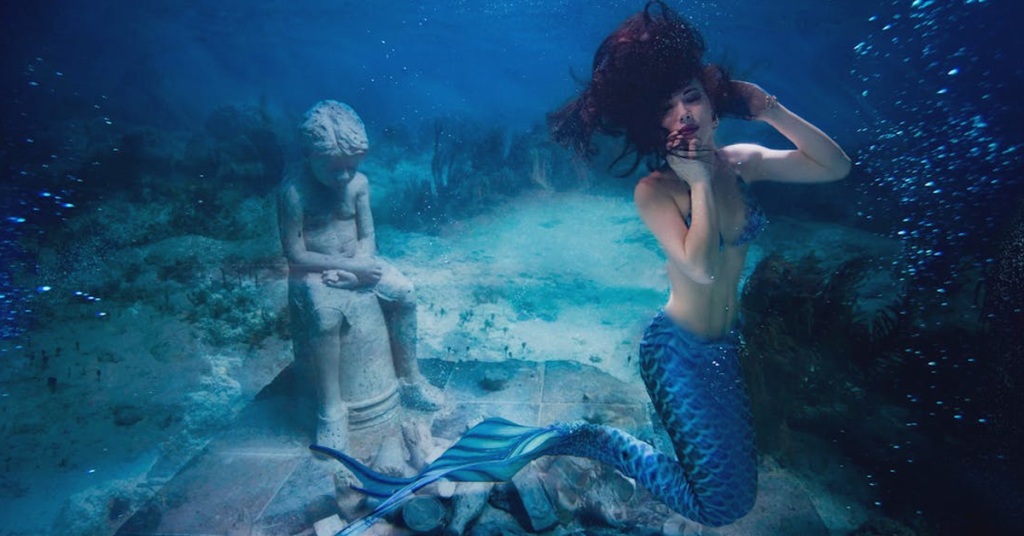
• The Merrow: Mermaid-like beings with green hair and webbed fingers. While female merrows are considered beautiful, their mermen counterparts are grotesque. Merrows can form bonds with humans but are often drawn back to the sea.
• The Muckie: Ireland’s version of a lake monster, rumored to inhabit the Lakes of Killarney. Sonar scans in 2003 hinted at a mysterious large object in the water.
• Ellen Trechend: A three-headed monster from Irish mythology, said to have emerged from the cave of Cruachan, wreaking havoc until defeated by the hero Amergin.
Irish Ghosts and Hauntings: Final Thoughts
Ireland’s cryptids and ghost stories offer a glimpse into the country’s rich cultural history and its people’s deep connection to the supernatural. Whether they serve as warnings, entertainments, or symbols of deeper truths, these tales continue to captivate and inspire, keeping the magic of Irish folklore alive. If you enjoyed learning about Irish ghosts and hauntings, check out our Florida cryptids list.
Stay connected with FDC, Florida’s gate company and access control leader, with offices in Tampa, Jacksonville, Orlando, Miami and Melbourne! Follow us on Facebook, LinkedIn, and Twitter to explore more about how our solutions can help secure and enhance your property. Don’t miss out on our updates—join the conversation and stay ahead in protecting what matters most!


 Follow