Now Reading: Heat Illness Safety Tips
-
01
Heat Illness Safety Tips


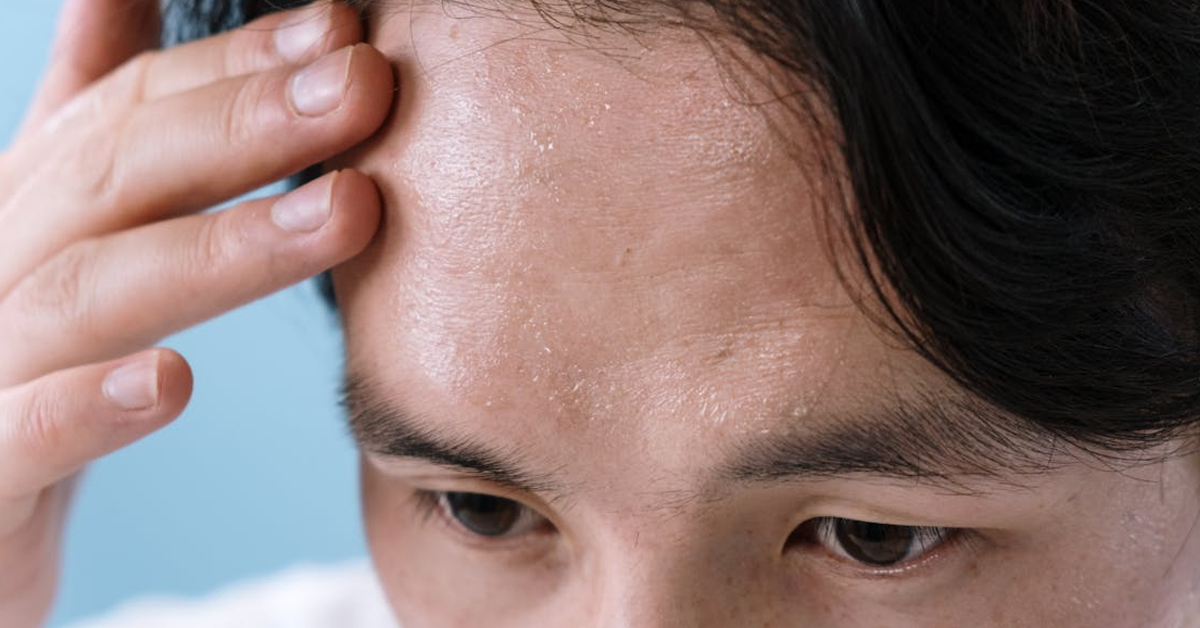
As summer heatwaves become more intense, understanding and preventing heat-related illnesses is crucial for everyone, especially those working or exercising outdoors. From heat stroke to sunburn, heat illnesses can vary in severity but all require immediate attention and preventive measures. Here’s a comprehensive list of heat illness safety tips to help you stay cool and healthy during those scorching hot days.
Types of Heat Illnesses
Heat illnesses arise when your body’s ability to regulate its core temperature is overwhelmed by excessive heat. Here are the most common types:
1. Heat Stroke: This severe condition occurs when the body’s core temperature rises above 103°F (39.4°C). Symptoms include hot, dry skin, confusion, rapid pulse, and even loss of consciousness. Heat stroke is a medical emergency and requires immediate intervention.
2. Heat Exhaustion: Prolonged exposure to high temperatures and inadequate fluid intake can lead to heat exhaustion. Symptoms include heavy sweating, dizziness, headache, nausea, and muscle cramps. It is less severe than heat stroke but still requires prompt treatment.
3. Heat Cramps: These painful muscle cramps occur due to excessive sweating and loss of salt and fluids. They commonly affect the legs and abdomen.
4. Sunburn: Overexposure to UV rays results in sunburn, characterized by red, painful skin that may blister. Sunburn can exacerbate other heat-related conditions.
5. Heat Rash: Also known as prickly heat, this condition occurs when sweat gets trapped under the skin, leading to red clusters of small blisters, typically on areas like the neck, chest, or groin.
Heat Illness Safety Tips: Signs of Heat Illness
Recognizing the signs of heat illness can make a significant difference. Here’s what to look for:
• Heat Stroke: High body temperature (103°F or higher), hot and dry or damp skin, confusion, dizziness, rapid and strong pulse, headache, nausea, and loss of consciousness.
• Heat Exhaustion: Heavy sweating, weakness, cold and clammy skin, rapid but weak pulse, dizziness, nausea, vomiting, and muscle cramps.
• Heat Cramps: Painful muscle cramps, usually in the legs or abdomen.
• Sunburn: Painful, red, and warm skin, possibly with blisters.
• Heat Rash: Red clusters of small blisters, often in the neck, chest, groin, or elbow creases.
Heat Illness Safety Tips: Treatment for Heat Illnesses
If you or someone else shows signs of heat illness, it’s crucial to act quickly:
• Move to a Cooler Place: Get out of the sun and into a cooler environment immediately.
• Loosen Clothing: Remove or loosen tight clothing to help cool down.
• Apply Cool Cloths: Use cool, wet cloths or take a cool bath to lower body temperature.
• Hydrate: Sip water slowly to rehydrate. Avoid large gulps as this can cause nausea.
• Sunburn Care: Apply moisturizing lotion to sunburned skin. Do not break blisters.
• Rash Care: Keep rashes dry with powder and avoid additional sweating.
Heat Illness Safety Tips: How the Body Stays Cool
Heat illness safety tips for Summer ’25
Your body regulates temperature through sweating, which helps dissipate heat. If the heat entering your body exceeds the rate at which your body can dissipate it, your core temperature will rise, increasing the risk of heat-related illnesses.
Heat Illness Safety Tips: Who is at Risk?
Heat illnesses can affect anyone exposed to high temperatures, especially:
• Construction workers, athletes, firefighters, and others working or exercising outside.
• Individuals with underlying health conditions such as heart or kidney problems.
• People who are obese, unfit, or not accustomed to working in heat.
• The elderly, who are more susceptible to heat-related issues.
Additional Factors Contributing to Heat Illness
Several factors can increase the risk of heat illnesses:
• Dehydration: Lack of sufficient fluids exacerbates heat stress.
• Clothing: Heavy, dark clothing can trap heat.
• Age and Gender: Older adults and males are at higher risk.
• Substance Use: Alcohol and drugs can impair your body’s heat regulation.
• Prior Heat Illness: Past experiences with heat-related conditions increase susceptibility.
Heat Illness Safety Tips: Prevention
Preventing heat illnesses is the best approach:
• Stay Hydrated: Drink water every 15 minutes, even if you’re not thirsty.
• Take Breaks: Regularly rest in shaded or cool areas.
• Dress Appropriately: Wear loose, light-colored clothing and use sun protection like hats and sunglasses.
• Avoid Alcohol and Caffeine: These can dehydrate you.
• Eat Lightly: Avoid large, heavy meals that can increase body heat.
• Pace Yourself: Adjust work or exercise intensity based on the heat.
Heat Illness Safety Tips: Recovery Time
Recovery from heat illness varies based on age, overall health, and how quickly treatment is administered. Generally, those who receive prompt care and follow preventive measures will recover faster and more completely.
Heat Illness Safety Tips: Awareness
Staying aware of these heat illness safety tips and taking proactive steps can help you enjoy the summer safely. Heat illnesses are preventable, and by understanding the risks and remedies, you can protect yourself and others from the dangers of extreme heat. Stay cool, stay hydrated, and stay safe!
Stay connected with FDC, Florida’s gate company and access control leader, with offices in Tampa, Jacksonville, Orlando, Miami and Melbourne! Follow us on Facebook, LinkedIn, and Twitter to explore more about how our solutions can help secure and enhance your property. Don’t miss out on our heat illness safety tips updates—join the conversation and stay ahead in protecting what matters most!


 Follow