Now Reading: Burnout in Construction
-
01
Burnout in Construction



In the high-pressure world of construction, where deadlines loom large and demands are constant, burnout is an all-too-common phenomenon. Defined as chronic workplace stress that hasn’t been successfully managed, burnout in construction can have devastating effects on both individuals and companies alike. As instances of workforce burnout continue to rise, it’s crucial for construction industry professionals to recognize the signs and take proactive steps to prevent it.
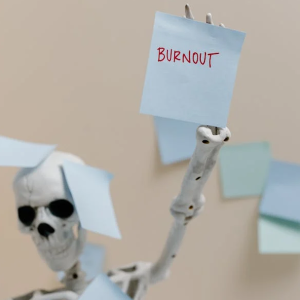 Understanding Burnout in Construction

Burnout in construction can stem from a variety of factors:
- Heavy Workload: Construction projects often come with tight deadlines and extensive workloads, leading to constant pressure on workers.
- Lack of Work-Life Balance: Long hours and irregular schedules can disrupt personal life, contributing to burnout.
- Mental Exhaustion: The nature of construction work, with its focus on precision and safety, can lead to mental fatigue.
- Workplace Stress: Poorly managed projects, conflicts with other trades, and demanding clients add to stress levels.
- Isolation and Culture: Feeling disconnected from colleagues or lacking support in a tough work environment can exacerbate burnout.
Recognizing the Signs
It’s important to be aware of the warning signs of burnout among construction workers:
- Decreased Performance: A noticeable decline in work quality or productivity.
- Emotional Symptoms: Cynicism, irritability, or withdrawal from colleagues.
- Physical Effects: Changes in sleep patterns, appetite, or increased susceptibility to illness.
- Behavioral Changes: Increased use of substances like alcohol or drugs to cope with stress.
Strategies for Prevention
Individual Level:
- Self-Care: Encourage workers to prioritize physical and mental health through regular exercise, balanced nutrition, and adequate sleep.
- Stress Management: Teach coping strategies such as mindfulness techniques or relaxation exercises to manage stress effectively.
- Recognize Limits: Encourage workers to know and respect their limits, avoiding over-commitment and knowing when to ask for help.
Management Level:
- Promote a Positive Work Environment: Foster a culture of support and camaraderie among teams, emphasizing mutual respect and teamwork.
- Appreciation and Recognition: Regularly acknowledge and reward achievements to boost morale and motivation.
- Work-Life Balance: Implement policies that support work-life balance, such as flexible schedules or adequate paid time off.
- Training and Development: Offer opportunities for skill development and career growth to keep employees engaged and motivated.
- Safety and Well-being: Prioritize safety with regular reviews and training sessions to ensure a safe working environment.
Conclusion
Burnout is a significant issue in the construction industry, affecting both individuals and the overall productivity of projects. By understanding the causes and warning signs of burnout and implementing proactive strategies at both the individual and management levels, construction companies can create healthier, more sustainable work environments. Ultimately, prioritizing the well-being of construction workers not only reduces turnover and improves productivity but also fosters a more positive and resilient industry as a whole. By taking these steps, we can build a construction workforce that is not only skilled but also thriving and fulfilled.
 Follow