Now Reading: Cool Animals in Florida
-
01
Cool Animals in Florida


Florida is renowned for its stunning beaches and vibrant ecosystems, but beneath its sunny exterior lies a wealth of unusual wildlife. From peculiar reptiles to unique birds and fascinating aquatic creatures, the Sunshine State is home to an array of species that captivate nature enthusiasts and casual observers alike. Here are 15 cool animals in Florida.
Cool Animals in Florida: In the Water
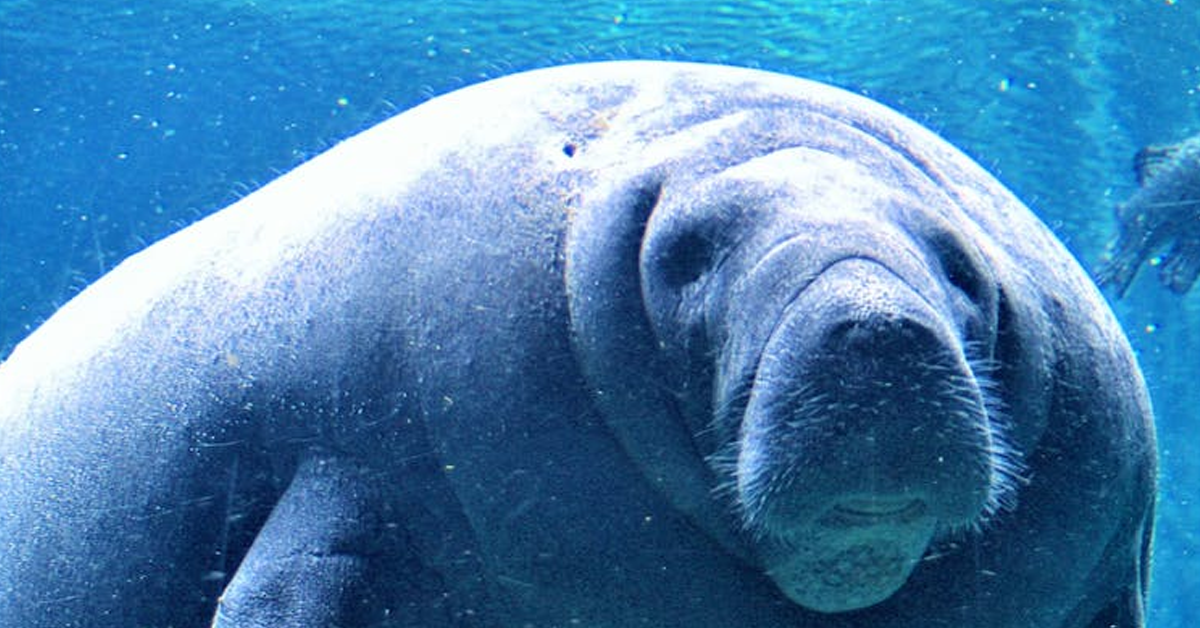
1. Florida Manatee
Often referred to as “sea cows,” Florida Manatees are gentle giants that can grow up to 10 feet long and weigh between 800 and 1,200 pounds. These herbivores inhabit shallow waters and are known for their calm demeanor. Sadly, they are an endangered species, requiring protection and conservation efforts.
2. Fish Crow
Often mistaken for the common American crow, the Fish Crow can be identified by its more nasal call. Found near water bodies, these clever birds are opportunistic feeders, consuming anything they can scavenge. Known for their habit of caching food for later, Fish Crows sometimes raid other birds’ nests and even dig up turtle eggs, showcasing their resourcefulness.
3. Greater Siren
One of the largest salamanders in North America, the Greater Siren has both gills and lungs, allowing it to thrive in aquatic and terrestrial environments. During dry spells, it burrows into the mud and can aestivate for years. This carnivorous creature preys on a wide range of invertebrates, making it an essential part of Florida’s aquatic ecosystems.
4. Spectacled Caiman
Originally from Southern Mexico to northern Argentina, the Spectacled Caiman made its way to Florida through the pet trade in the 1950s. These reptiles, sensitive to cold, mainly inhabit warmer regions and consume fish, crabs, small mammals, and amphibians. Their presence adds to the rich tapestry of Florida’s wildlife.
5. Moon Jellyfish
With its 12-inch wide, saucer-shaped body, the Moon Jellyfish is composed of 95% water and lacks a brain, heart, or eyes. It boasts hundreds of tentacles that can sting and stun prey. While observing these jellyfish is mesmerizing, it’s best to admire them from a safe distance to avoid mild stings.
6. Lionfish
A striking yet invasive species, the Lionfish poses a serious threat to Florida’s coral reefs. With 18 venomous spines, this predatory fish has been wreaking havoc since it was first reported in the state in the 1980s. Conservation efforts, including Lionfish Roundups, aim to control their population and protect native marine life.

Cool Animals in Florida: In the Air (Birds)
7. Burrowing Owl
Standing at just 9 inches tall, the Burrowing Owl is one of Florida’s smallest owls. Unlike their nocturnal relatives, these owls are active during the day and prefer to live on the ground. They nest in burrows, often digging them with their beaks and feet, and feed on insects, rodents, and other small creatures.
8. Peacocks
These stunning birds were introduced to Florida in the 1930s as exotic pets, and their populations have since exploded. Recognizable by their vibrant plumage and magnificent tail feathers, peacocks are omnivores, feasting on a variety of plants, seeds, and insects. Laws now protect them in certain counties, reflecting their established presence in the state.
Cool Animals in Florida: On Land
9. Capybaras
Known as the world’s largest rodent, the capybara made its first Florida appearance in the 1990s after escaping from a wildlife sanctuary. These sociable creatures thrive near water bodies and are herbivorous, primarily grazing on grasses and aquatic plants. Their adaptability has led to a stable population in Florida.
10. Florida Black Bear
As the only bear species native to Florida, the Florida Black Bear is a crucial part of the state’s wilderness. With only about 4,500 remaining, these bears weigh between 250 and 450 pounds and primarily eat insects and plants. Known for their powerful legs, they can run up to 35 miles per hour, making them surprisingly agile.
11. Burmese Pythons
One of the largest snake species, Burmese Pythons can grow between 15 and 20 feet long. Native to Southeast Asia, they were introduced to Florida in the 1980s as pets. Their rapid population growth has led to significant declines in local wildlife, prompting the Florida Fish and Wildlife Commission to implement a Python Elimination Program to combat this invasive threat.
12. Key Deer
Found exclusively in the Florida Keys, the Key Deer is the smallest North American deer species, weighing between 45 and 75 pounds. Known for their swimming ability between islands, they primarily feed on a variety of plants, making them a unique part of Florida’s ecology. Unfortunately, they are currently classified as endangered.
13. Six-Spotted Fishing Spider (Dolomedes triton)
This remarkable spider, named after the Greek god of the sea, Triton, doesn’t spin webs like most spiders. Instead, it hunts by “fishing” on the water’s surface, using its long legs to sense ripples created by potential prey. Although venomous, its bite poses little danger to humans. These spiders feast on fish, tadpoles, and various invertebrates, showcasing a unique adaptation to their aquatic environment.
14. Florida Panther
As one of the rarest mammals in the world, the Florida Panther is critically endangered, with only about 200 individuals remaining in the wild. These elusive creatures inhabit hardwood hammocks and swamps and have a carnivorous diet that includes small mammals and even livestock. Conservation efforts are essential to ensure their survival.
15. Iguanas
Iguanas, originally from Central and South America, have become an invasive species in Florida. With their striking appearance and distinctive spikes, they have a herbivorous diet, primarily consuming vegetation. To manage their population, Florida has implemented removal and trapping programs, aiming to protect native ecosystems.
Florida’s wildlife is as diverse as its landscapes, with each of these cool animals in Florida contributing to the state’s rich ecological tapestry. Whether you’re exploring wetlands, prairies, or coastal areas, keep an eye out for these fascinating creatures that call Florida home!
Stay connected with FDC, Florida’s gate company and access control leader, with offices in Tampa, Jacksonville, Orlando, Miami and Melbourne! Follow us on Facebook, LinkedIn, and Twitter to explore more about how our solutions can help secure and enhance your property. Don’t miss out more cool animals in Florida—join the conversation and stay ahead in protecting what matters most!


 Follow