Now Reading: Personal Growth Goals
-
01
Personal Growth Goals


Reflecting on the Past Year and Planning Your Personal Growth Goals for the New Year
As the year draws to a close, it’s natural to look back and reflect on the months that have passed. With the new year just around the corner, this is the perfect time to pause, evaluate, and set intentions for the year ahead. Personal growth doesn’t happen by accident; it takes careful reflection and intentional planning. Whether you’ve had a year full of triumphs or faced unexpected challenges, reflecting on the past year can help you understand what worked, what didn’t, and where you want to go next. Here’s how to close out this year with reflection and create a vision for your personal growth goals in the upcoming one.
Reflecting on the Past Year: What Worked, What Didn’t
Before we can plan for growth, we must understand where we’ve been. Reflecting on the past year helps you gain clarity on your journey. Take some time to answer the following questions in a journal or on a piece of paper:
-
 What were my greatest achievements this year?
Celebrate your victories, no matter how big or small. Did you reach personal goals, learn new skills, or overcome obstacles that once seemed insurmountable? Take note of these achievements to remind yourself of how far you’ve come. - What were my challenges?
It’s important to acknowledge the difficult moments, too. What didn’t go according to plan? Perhaps you faced unexpected setbacks or moments of doubt. This isn’t about self-criticism, but about understanding where things didn’t work and why. The goal is to learn and grow from these challenges rather than dwell on them. - What lessons did I learn?
Growth doesn’t just come from success; it often comes from hardship. Reflect on the lessons you’ve learned along the way. These can be practical skills, like time management, or more personal insights, like how you handle stress or change. Recognizing these lessons helps you navigate the future with more wisdom. - How did I spend my time?
Reflect on where your energy and attention went throughout the year. Were you investing in things that align with your values and long-term goals, or were you spending too much time on distractions? This is an opportunity to recalibrate and be more intentional with your time moving forward.
By reflecting in this way, you set the foundation for mindful planning and personal growth goals in the new year.
Setting Intentions for the New Year: Creating Your Vision
Once you’ve reflected on the past year, it’s time to look ahead. Planning for personal growth is about creating a roadmap that aligns with your values and goals. A great way to do this is by crafting a vision board or writing in a journal about the year ahead. Here’s how you can approach this process:
- Define Your Big Picture
Think about where you want to be by the end of the year. What do you want to accomplish? How do you want to feel? This is not just about setting practical goals like “lose 10 pounds” or “get a promotion”—it’s about envisioning the kind of person you want to become. Ask yourself:
- What would my ideal year look like?
- How do I want to grow emotionally, spiritually, and professionally?
- What kind of relationships do I want to nurture?
Creating a vision for the year will help you clarify what’s truly important to you.
- Break It Down into Goals
Once you’ve created your big-picture vision, break it down into smaller, achievable goals. Set both short-term and long-term goals for various areas of your life, such as career, health, relationships, and personal development. Make sure these goals are SMART (Specific, Measurable, Achievable, Relevant, Time-bound). For example, instead of saying, “I want to be healthier,” set a goal like, “I will exercise for 30 minutes, four times a week,” or “I will cook five healthy meals a week.” - Create a Vision Board
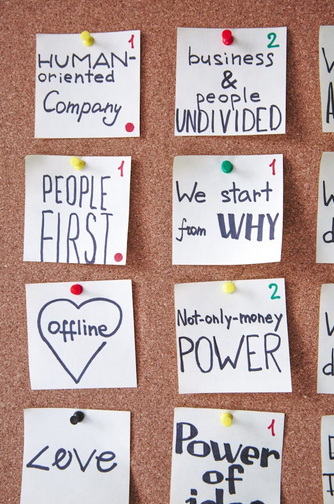
A vision board is a powerful tool that helps visualize your goals and dreams. Start by collecting images, quotes, and words that inspire you and align with your goals for the year. You can find pictures in magazines, print from online sources, or even draw your own. Paste them on a board or a large sheet of paper. The process itself is creative and enjoyable, and the vision board will act as a daily reminder of your goals and aspirations. - Write It Down: Journaling Your Intentions
For those who prefer a more reflective process, writing in a journal is an excellent way to document your personal growth goals. Write a letter to yourself about your intentions for the year. What do you want to accomplish, and how do you plan to get there? Writing in this way not only solidifies your goals, but it also creates a sense of commitment and accountability. You can revisit your letter throughout the year to check in on your progress and make adjustments as needed. - Identify Action Steps
Vision and goals alone won’t get you far without action. Break down each of your goals into actionable steps. If your goal is to improve your health, for example, action steps might include joining a gym, scheduling workouts, or researching healthy meal prep options. These steps should be practical and manageable so that you can make steady progress. - Embrace Flexibility
While planning is essential, it’s important to stay flexible. Life rarely goes according to plan, and unexpected challenges will inevitably arise. Embrace a mindset that allows for growth and adaptation. Your goals and vision can evolve as you do.
Cultivating Growth Throughout the Year
Personal growth is a continuous process, not something that happens overnight. Once you’ve created your vision board or journaled your goals, focus on the process, not just the outcome. Here are a few ways to keep your momentum going throughout the year:
- Regular Check-Ins: Set monthly or quarterly check-ins with yourself. Are you staying on track? What adjustments need to be made?
- Celebrate Progress: Take time to celebrate your wins, no matter how small. Every step forward counts.
- Stay Open to New Opportunities: Sometimes the path to growth is unexpected. Be open to trying new things and adjusting your goals if necessary.
- Practice Self-Compassion: Be kind to yourself when things don’t go according to plan. Remember, growth is about progress, not perfection.
Final Thoughts
Reflecting on the past year and planning for the year ahead are essential steps in your journey of personal growth. By taking the time to assess what worked, what didn’t, and where you want to go, you empower yourself to create a vision that aligns with your true desires. Whether you prefer to craft a vision board or journal about your goals, the key is to commit to your growth and take actionable steps each day. The new year offers endless opportunities for transformation—make it yours! Read more about setting smart goals here.
Stay connected with FDC for the latest insights, tips, and innovations in types of gates, gate security and access control! Follow us on Facebook, LinkedIn, and Twitter to explore more about how our solutions can help secure and enhance your property. Don’t miss out on our updates—join the conversation and stay ahead in protecting what matters most!


 Follow